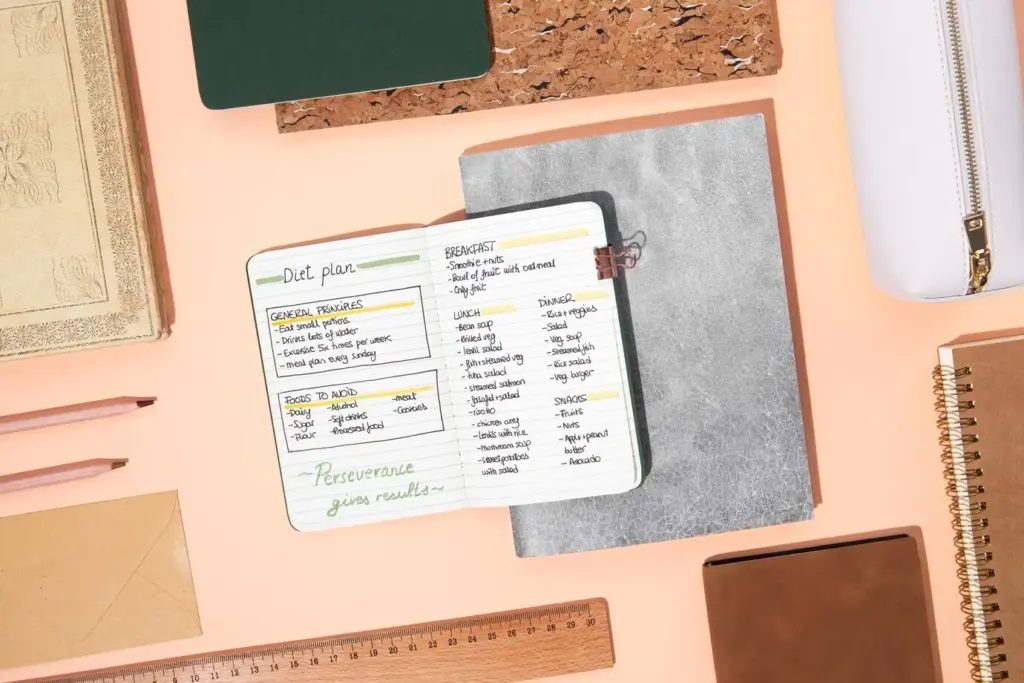

Make Your Notes Unforgettable

Today we dive into spaced repetition strategies to turn notes into lasting knowledge, blending science, stories, and practical systems you can apply immediately. Expect clear steps, humane routines, and engaging challenges, plus invitations to share progress, ask questions, and build a sustainable review habit that truly sticks. Join in, subscribe for ongoing ideas, and help shape what we explore next.

Intervals That Make Memory Stick

Your brain loves well-timed returns. By spacing reviews just before forgetting, you strengthen connections while saving time. We’ll connect the forgetting curve, retrieval practice, and interval planning to transform scattered notes into durable understanding. You’ll leave ready to decide when to review, why it works, and how to keep momentum through busy weeks.

From Pages to Prompts

Atomic Notes and Cloze Power

Break sprawling explanations into atomic statements that each test one idea. Cloze deletions turn sentences into fill‑in‑the‑blank challenges, preserving context while simplifying recall. You will practice rewriting dense passages, preserving meaning, and avoiding ambiguity. This discipline reduces interference, builds confidence, and keeps reviews fast, focused, and emotionally lighter when time feels tight.

Minimal Cards, Maximal Clarity

One fact per card prevents confusion and guesswork. Keep wording simple, include essential cues, and remove extras that clutter thinking. We’ll explore before‑and‑after rewrites to show how brevity boosts accuracy. Expect guidelines for definitions, mechanisms, contrasts, and dates, plus gentle rules of thumb for pruning duplicates and eliminating trick questions that discourage practice.

Tags, Links, and Context Trails

Organize prompts with tags and links that reveal patterns across subjects, courses, and projects. Thoughtful metadata helps you spot gaps, interleave topics, and deepen understanding over time. We’ll model useful tag hierarchies, show linking tactics for building concept maps, and encourage sharing your system so others can borrow helpful organizational ideas.

Choosing a System You’ll Actually Use

The best method is the one you keep using. Compare paper cards, Leitner boxes, and digital schedulers with sync, media, and analytics. We’ll match workflows to different personalities and constraints, offering low‑friction rituals you can start today. Expect honest trade‑offs, simple setups, and gentle prompts to help you stay engaged and consistent.

The Art of Scheduling Reviews

Daily Caps and Backlog Calm

Set a maximum review count to safeguard attention and keep wins flowing. When backlogs appear, triage gently: suspend outdated cards, reschedule clusters, and prioritize foundational knowledge. We’ll share an emergency playbook for busy seasons that preserves learning while preventing guilt spirals, so you return stronger rather than quitting under pressure or fatigue.

Difficulty Ratings and Ease Factors

Your feedback teaches the scheduler. By rating answers honestly, you adjust intervals to match reality. We’ll translate those numbers into behavior, showing how ease factors evolve, how to prevent runaway growth, and when to reset or split stubborn items. Precision here removes frustration and builds a smoother experience with fewer surprises or setbacks.

Fixing Leeches Without Frustration

If a card fails repeatedly, it needs redesign, not stubborn repetition. We’ll diagnose causes—ambiguity, overload, missing context—and propose rewrites, cloze splits, or supportive hints. Hear how Maya, an anatomy student, rescued persistent troublemakers by adding labeled diagrams and simpler phrasing, transforming discouraging misses into dependable wins within just two review cycles.

From Memorization to Understanding

Interleaving and Mixed Practice

Mix related but different problems, concepts, or languages to strengthen discrimination and transfer. Interleaving feels harder, yet it builds durable agility. We’ll craft rotating review sets, add contrast cards, and design prompts that force choices. Share your field, and we’ll sketch a personalized interleaving pattern that challenges just enough without overwhelming curiosity.

Teach It to Lock It In

Explaining ideas to someone else exposes gaps you can fix with targeted cards. Use the Feynman approach: write a simple explanation, identify fuzzy parts, and create prompts that clarify them. We’ll encourage quick peer demos, forum posts, or short recordings, then translate feedback into improved questions that deepen clarity during future spaced reviews.

Spaced Elaboration and Examples

Each time a card returns, attach a new example or analogy. This layered elaboration adds context without bloat, weaving memory with meaning. We’ll show templates for rotating scenarios, fields, and constraints, so knowledge becomes flexible. Over weeks, your notes evolve into a living library of situations where understanding naturally applies and persists.

Staying Consistent Without Burning Out

Consistency grows from small, kind habits. We’ll design rituals that respect your energy, reward wins, and recover quickly from misses. Track what matters, ignore vanity metrics, and partner with peers for accountability. Expect humane pacing, rest days, and thoughtful reflection prompts. Subscribe for nudges, share milestones, and invite friends to learn alongside you.

Image Occlusion for Diagrams and Maps

Hide labels on anatomy charts, circuit schematics, or geographic maps to test recall of structure and location. Keep each occlusion focused, add brief context, and include a labeled reveal. We’ll show pitfalls to avoid and shortcuts to build, turning dense visuals into approachable prompts that steadily upgrade accuracy without crushing your energy.

Code Snippets and Concept Threads

For programming, test purpose, syntax, and pitfalls using tiny snippets that compile mentally. Link related prompts into conceptual threads: data structures, complexity, idioms, and anti‑patterns. We’ll craft patterns for cloze deletions, bug‑spotting reviews, and refactoring prompts that convert reading into building, making future debugging sessions faster and far less stressful.
Rinelizixarulevepinoniva
Privacy Overview

This website uses cookies so that we can provide you with the best user experience possible. Cookie information is stored in your browser and performs functions such as recognising you when you return to our website and helping our team to understand which sections of the website you find most interesting and useful.